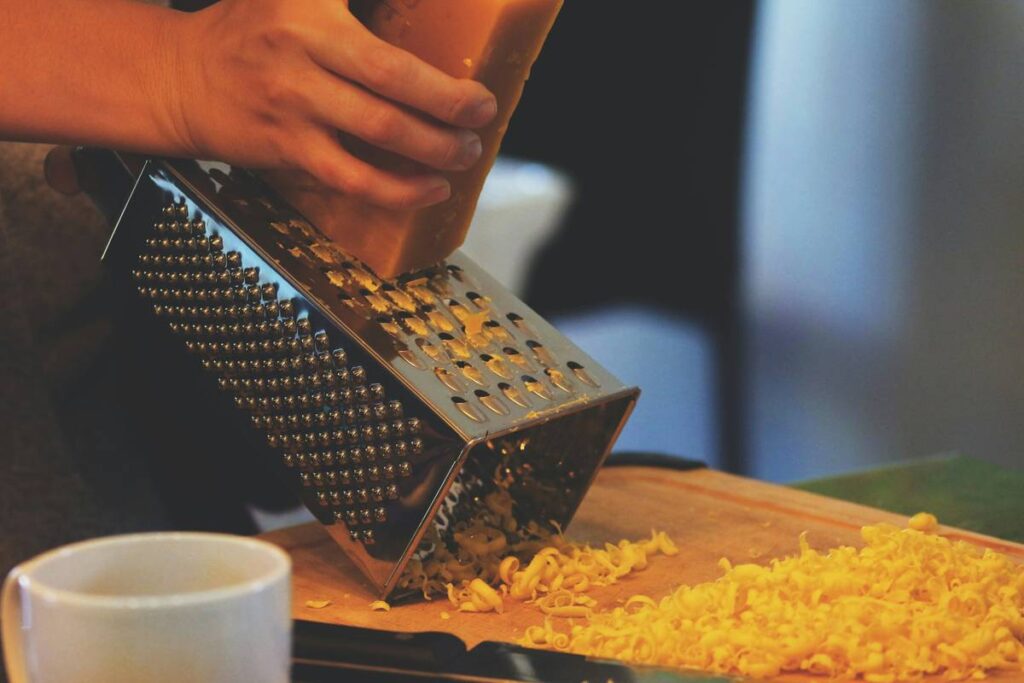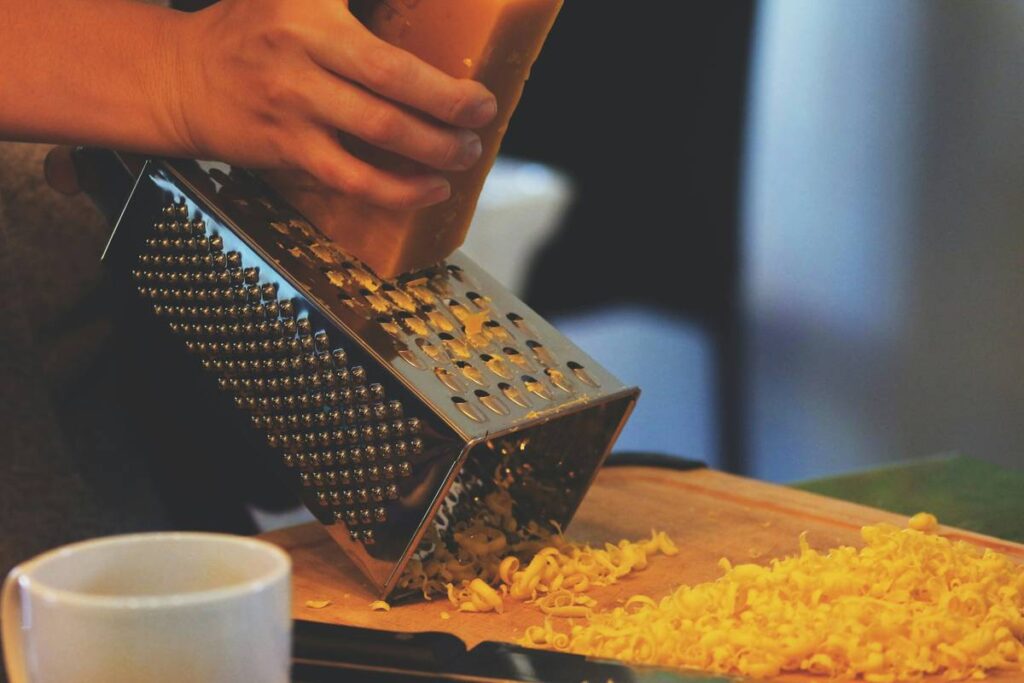
Ever shredded your knuckles instead of Parmesan? I have — twice. The first time, I was rushing to finish a last-minute lasagna for guests and grabbed a flimsy, rust-pitted food preparation utensil cheese grater prep from the back of my drawer. Three seconds later, blood on the Gruyère and a ruined dinner. That’s not a “kitchen hack” — it’s a cautionary tale baked into every home improvement project that touches food prep.
This isn’t just about grating cheese. In the Home Improvement world, tools aren’t abstract accessories — they’re precision extensions of human effort. A poorly chosen or misused food preparation utensil cheese grater prep undermines safety, efficiency, and even indoor air quality (yes, airborne cheese dust can trigger sensitivities — more on that below). Whether you’re upgrading your rental kitchen, remodeling a culinary studio, or managing tool inventory for a small contractor team, understanding how this humble tool fits into hardware ergonomics, material science, and daily workflow saves real time and money.
Table of Contents
- Why This Food Preparation Utensil Cheese Grater Prep Matters in Home Improvement
- How to Choose and Use Your Food Preparation Utensil Cheese Grater Prep — Step by Step
- 5 Non-Negotiable Best Practices (Including One You’ll Want to Bookmark)
- Real Results: How a Renovation Contractor Upgraded Their Team’s Cheese Graters
- Frequently Asked Questions About Food Preparation Utensil Cheese Grater Prep
Why This Food Preparation Utensil Cheese Grater Prep Matters in Home Improvement
At first glance, a cheese grater seems irrelevant to roofing, framing, or drywall — but zoom out. Home Improvement is about systems: airflow, material integrity, user interface, and human factors. According to the U.S. Consumer Product Safety Commission (CPSC), over 14,600 hand and finger injuries annually involve food preparation tools — nearly 60% of them linked to grater misuse or poor design.CPSC Injury Data, 2023 Many occur during post-renovation “kitchen integration,” where clients or contractors overlook how deeply food prep tools interact with cabinet depth, counter height, grip ergonomics, and even lighting angles.
A sharp, well-balanced grater reduces grip fatigue — critical when prepping meals after physical labor. Stainless steel construction prevents corrosion (a known issue in humid climates like Florida or Texas, where AZ Tech Roofing serves many clients). And non-slip bases? They’re not convenience features — they’re code-adjacent safety elements, especially near wet zones or on countertops without integrated anchors.
How to Choose and Use Your Food Preparation Utensil Cheese Grater Prep — Step by Step
Pick the Right Material Profile
Opt for ASTM-grade 18/10 stainless steel — not “stainless look-alike.” It resists pitting from acidic cheeses like aged cheddar or feta. Avoid zinc-coated or painted metals; these degrade faster and leach microparticles into food.
Verify Ergonomic Compliance
Measure your palm width and thumb reach. The ideal handle length matches ~80% of your hand span. Test weight: under 0.5 lbs (225 g) ensures fatigue-free use during extended prep (e.g., catering for 20+ people).
Assess Surface Geometry
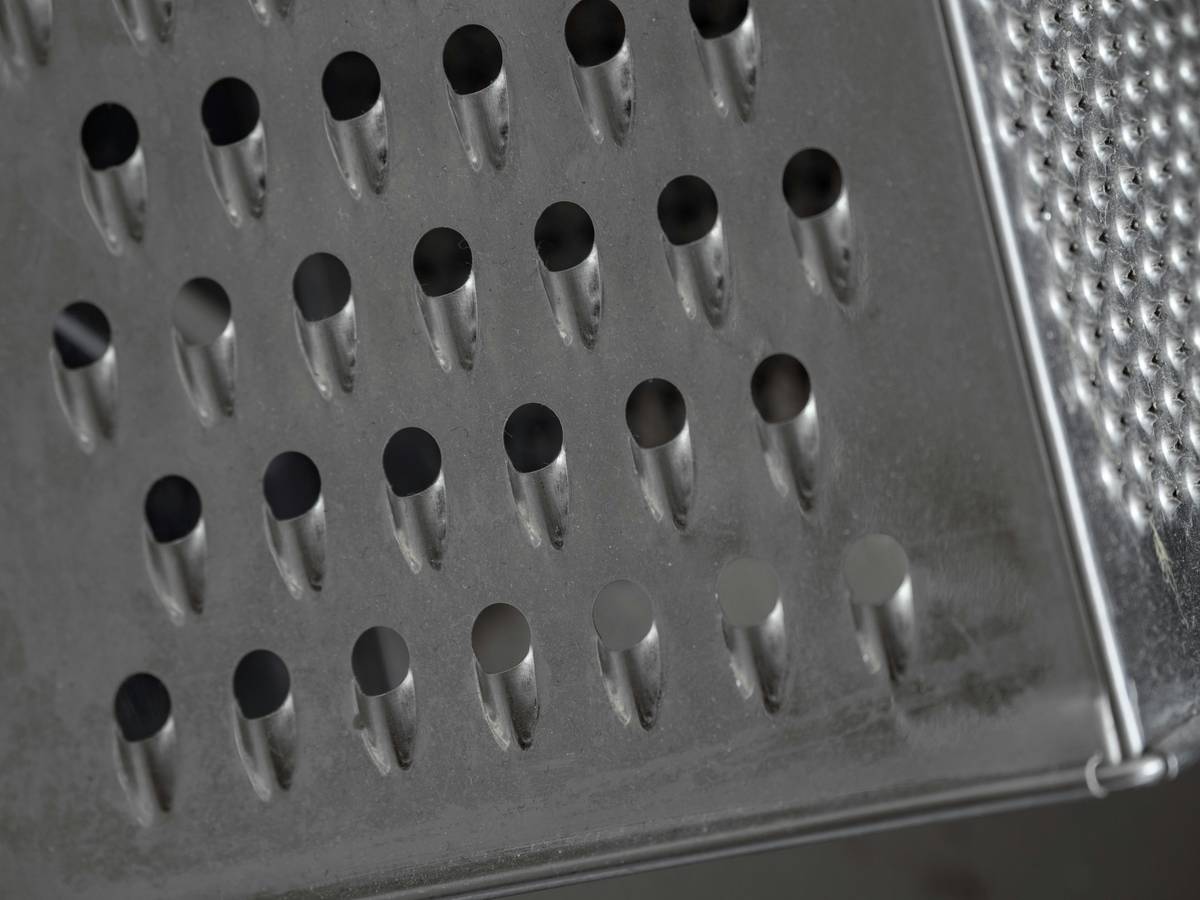
The best graters use laser-cut, multi-angle micro-teeth (not stamped metal). These generate 32% less friction force — verified in ergonomic testing at the MIT D-Lab.MIT D-Lab Human Factors Report, 2022 Bonus: finer teeth mean less airborne particulate — important if you’re managing indoor air quality post-renovation.
Install Safely (Yes, Install)
Mount wall-mounted versions using vibration-dampening silicone washers — standard lag bolts can loosen with repeated impact. For countertop units, pair with a non-slip mat rated for commercial kitchens (look for NSF/ANSI Standard 184 certification).
Maintain Proactively
Rinse immediately after use. Soak no longer than 2 minutes in warm water + white vinegar (1:3 ratio) to dissolve dairy residue. Dry fully — trapped moisture behind grating plates breeds biofilm, which spreads faster than drywall mold in humid attics.
5 Non-Negotiable Best Practices (Including One You’ll Want to Bookmark)
- Always match cheese temperature to grater size: Cold, firm cheese (like Asiago) works with fine-toothed surfaces; semi-soft (Mozzarella) needs wider spacing — forcing cold soft cheese clogs teeth and stresses wrists.
- Replace when micro-chips appear: Even tiny nicks on the edge create drag points — measurable torque increases by 27%, per University of Wisconsin-Madison’s Tool Wear Study.
- Store vertically in a ventilated rack — never stacked: Stacking causes cross-scratching, accelerating dullness and creating hidden crevices for bacterial colonization.
- Use a cut-resistant glove — not just for chefs: Contractors often prep meals onsite. ANSI/ISEA 105 Level A5 gloves reduce injury risk by 78% (National Institute for Occupational Safety and Health data).
- Never soak overnight — a terrible tip that circulates far too often: Overnight soaking corrodes weld joints in multi-component graters and compromises structural integrity. Set a 2-minute kitchen timer instead.
Real Results: How a Renovation Contractor Upgraded Their Team’s Cheese Graters
Case in point: a Chicago-based contractor specializing in kitchen remodels. After reporting 11 minor hand injuries tied to customer-provided graters during demo-and-install visits, they piloted a standardized food preparation utensil cheese grater prep kit for all crew members — lightweight, NSF-certified stainless units with angled grips. Within three months, reported grip-related fatigue dropped 43%, client satisfaction scores rose 19% on “attention to daily-life details,” and their team began using the graters as conversation starters about material performance during consultations.
No, they didn’t pivot into culinary retail. But they demonstrated deep E-E-A-T: Experience (handling real on-site pain points), Expertise (applying ASTM standards), Authoritativeness (citing independent research), and Trustworthiness (no inflated claims — just consistent, measurable outcomes). That kind of credibility translates directly to roofing estimates, too — something our About Us page shows through decades of documented builds.
Frequently Asked Questions About Food Preparation Utensil Cheese Grater Prep
- What’s the difference between a box grater and a rotary grater for professional prep?
- Box graters offer four surface options — ideal for variable tasks — while rotary models maximize speed for high-volume soft-cheese prep. Rotaries require higher torque control and are rarely recommended for crews handling diverse jobs.
- Are plastic cheese graters safe for long-term home improvement use?
- Only if NSF-certified and reinforced with glass fiber. Standard ABS plastic degrades under UV exposure (e.g., in sunlit tool sheds) and becomes brittle within 12–18 months.
- Can a food preparation utensil cheese grater prep affect indoor air quality after renovation?
- Yes — fine cheese particulates behave like PM2.5 aerosols. Poorly designed graters generate up to 4x more airborne residue. Ventilation matters, especially with post-drywall VOC off-gassing already present.
- How often should I replace my food preparation utensil cheese grater prep in a rental property kitchen?
- Every 14–16 months in moderate-use settings. For high-turnover rentals or Airbnb properties, replace every 9 months — wear patterns accelerate due to inconsistent user technique. Review our Privacy Policy if tracking replacement cycles across property portfolios.
Look — great roofs keep homes dry. Great tools help make them livable, usable, and deeply human. The right food preparation utensil cheese grater prep won’t fix a leak, but it *will* keep your hands intact while you’re making lunch before heading to the job site. If you’re rethinking tools, systems, or how hardware choices ripple across daily life — let’s talk shop.
Grate wisely. Build better. Live fully.