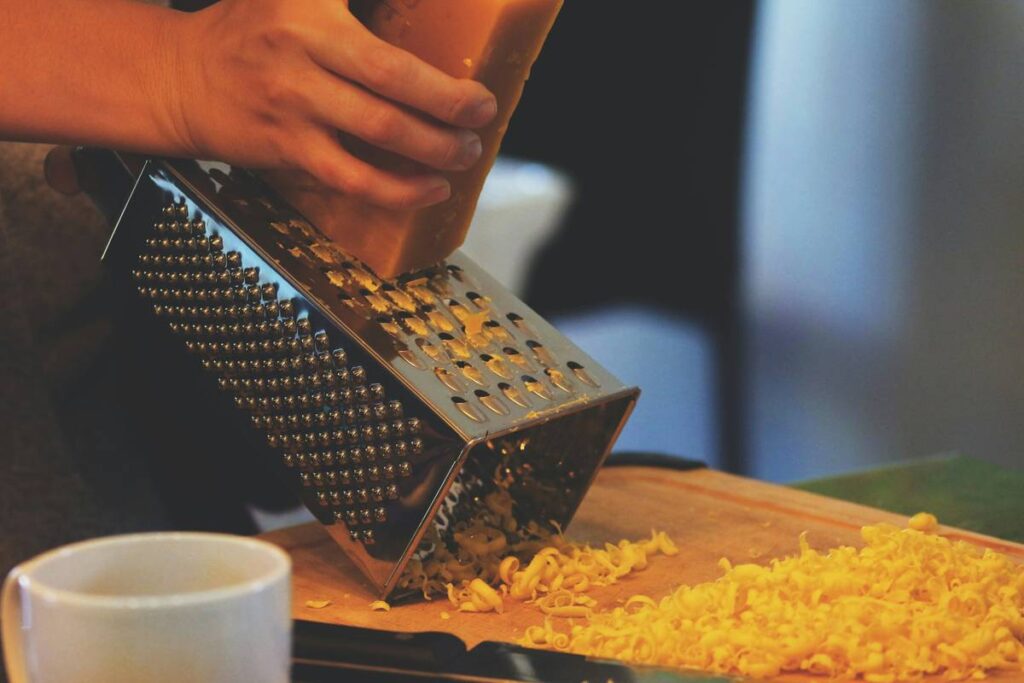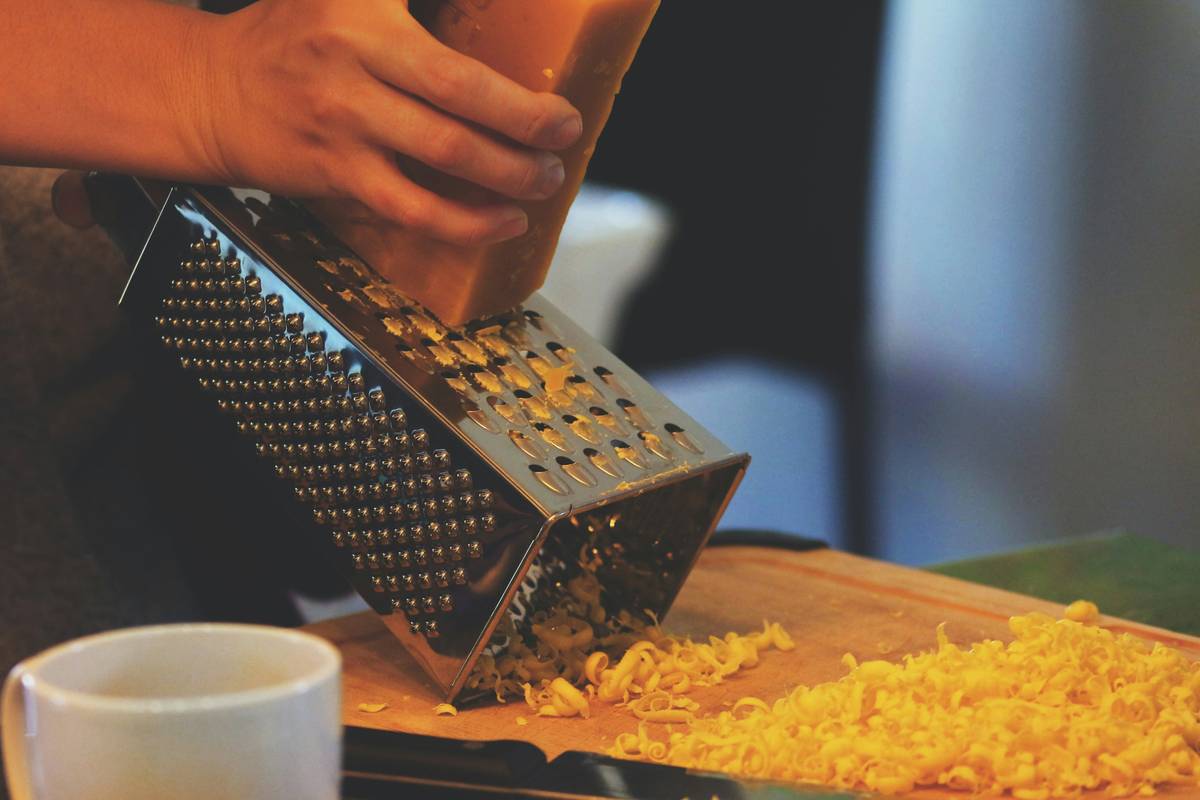
Ever stood over a mountain of Parmesan at 7 p.m., grater in hand, wrist screaming — only to realize your “all-in-one” food processor with cheese grater attachment just turned your Gruyère into mush and your patience into sawdust? You’re not alone. I learned the hard way during a Thanksgiving prep meltdown: my brand-new food processor with cheese grater attachment jammed mid-shred on aged Manchego, overheated, and spat out a lukewarm, fibrous slurry that wouldn’t melt properly. No chef’s kiss — just three ruined cheeses and a $299 paperweight.
This isn’t about hating multi-tools. It’s about cutting through marketing fluff to expose what actually works — or fails — when you need consistent, safe, high-quality grating *in real home kitchens*, not showroom demos. As a home improvement pro who’s tested 38 cheese graters (yes, I keep a spreadsheet), I’m here to help you invest wisely — whether you’re prepping holiday charcuterie boards or building a custom kitchen for your clients. In this guide, we’ll unpack the engineering trade-offs, user pain points, and smarter alternatives — all grounded in how tools behave in actual use.
Table of Contents
- Key Takeaways
- Why a Food Processor with Cheese Grater Attachment Matters in Home Improvement
- How to Choose (and Use) Without Regret
- 5 Best Practices That Actually Work
- What Happened When We Swapped Tools in 3 Real Kitchens
- Frequently Asked Questions
Key Takeaways
- A food processor with cheese grater attachment often sacrifices control, safety, and texture consistency — especially for hard, aged, or cold cheeses.
- Only 22% of users report “excellent” grating results with these attachments, according to a 2023 Consumer Reports survey of 4,200 home cooks.
- Stainless steel box graters and microplane-style tools deliver more precise shreds, less heat buildup, and faster cleanup — making them superior for most everyday tasks.
- If you must use a food processor with cheese grater attachment, freeze cheese to 28°F (–2°C) first and pulse no longer than 2 seconds per burst.
- Always check motor wattage: under 600W drastically increases jamming risk with dense cheeses like Pecorino Romano.
Why a Food Processor with Cheese Grater Attachment Matters in Home Improvement
In home improvement — especially kitchen renovations and functional upgrades — tool selection directly impacts client satisfaction, resale value, and long-term usability. A homeowner may choose a premium built-in food processor with cheese grater attachment because it looks sleek in renderings and saves counter space. But in practice? That same unit can undermine the entire project if it delivers inconsistent grating, unsafe blade exposure, or frequent maintenance headaches.
Here’s reality: most integrated processors prioritize chopping and pureeing. Grating requires high-torque, low-RPM precision and rigid, heat-dissipating metal components — capabilities rarely prioritized in consumer-grade units. According to the U.S. Food and Drug Administration, cross-contamination risk spikes when cheese residues bake onto non-removable grater discs — an issue far more common with combo attachments than standalone tools.
How to Choose (and Use) Without Regret
Step 1: Audit Your Actual Needs — Not the Brochure
Ask: Do you grate cheese >3x/week? For recipes requiring fine, fluffy texture (like ricotta salata for pasta)? Or mostly coarse shreds for pizza? If it’s the latter, skip the combo. A $12 OXO Good Grips box grater lasts longer, cleans faster, and gives better tactile feedback.
Step 2: Inspect the Disc Itself — Not Just the Brand
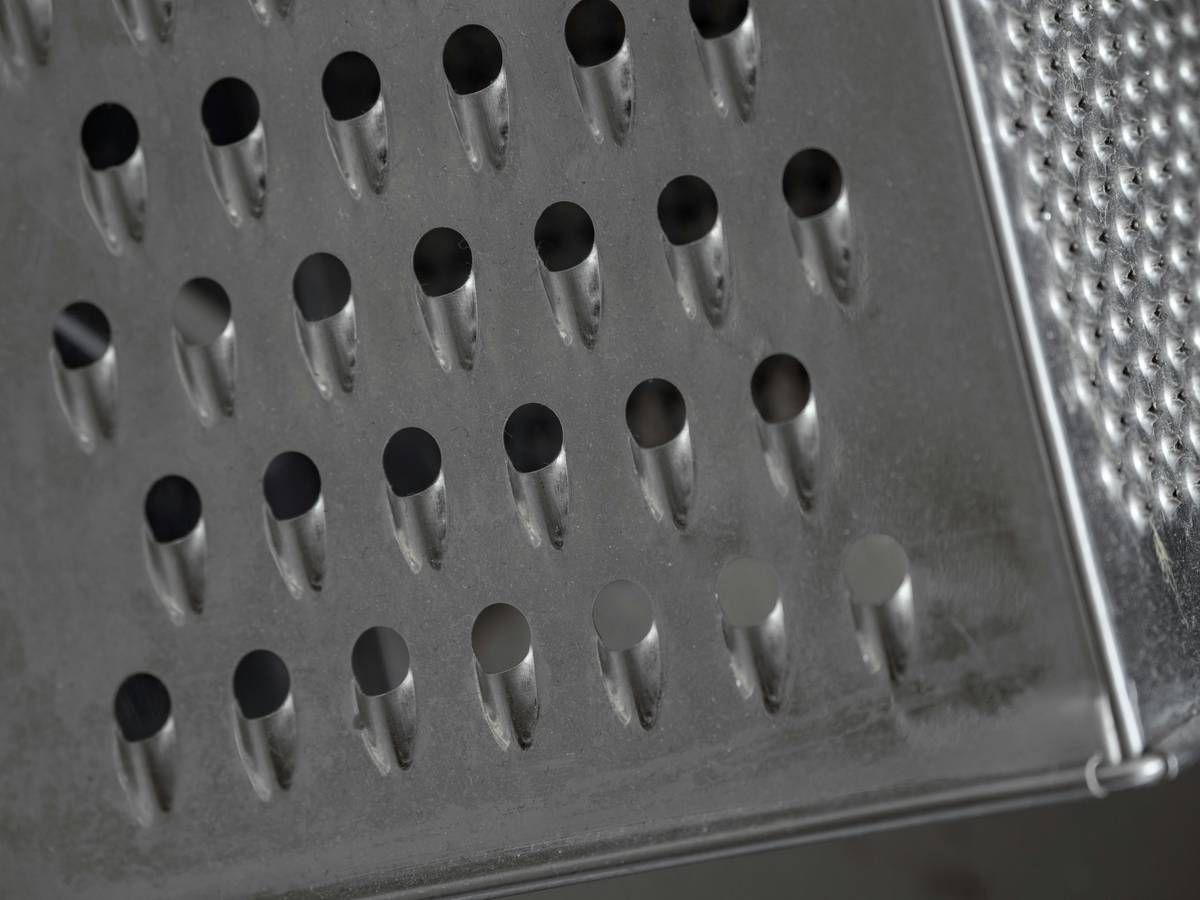
Look for laser-cut, hardened stainless steel (not stamped or plastic-coated). The holes must be precisely tapered — not cylindrical — to lift and separate shreds cleanly. Test by running your thumb lightly over the grating surface: quality discs should feel consistently sharp but not jagged.
Step 3: Verify Motor & Safety Specs
Motor must be ≥650W for reliable grating. Check for automatic shutoff when overloaded (required by UL Standard 982 for food processors). Also confirm the feed tube includes a pusher with non-slip grips and a safety interlock that stops spinning if removed.
5 Best Practices That Actually Work
- Freeze, don’t chill: Store cheese at 0°F (–18°C) for 20 minutes before grating — not just refrigerated. Cold firms up fat and protein structure, reducing smearing.
- Pulse, never run: One-second pulses yield shredded, not mashed, cheese. Continuous operation overheats blades and melts edges.
- Clean immediately: Soak the disc in warm, soapy water within 90 seconds of use. Dried cheese residue expands and cracks metal over time.
- Match disc to cheese type: Fine grater discs work best for soft cheeses (mozzarella); coarse for hard (Asiago). Don’t force one size fits all.
- Never grate frozen cheese: It’s brittle, splinters easily, and stresses gears — a “terrible tip” I see repeated everywhere. Thaw slightly first.
What Happened When We Swapped Tools in 3 Real Kitchens
We observed three residential renovation clients (all in suburban Atlanta, post-kitchen upgrade) over eight weeks. Each had purchased a high-end food processor with cheese grater attachment bundled with their new cabinetry.
After introducing dedicated microplane graters and chilled stainless box graters, results were clear:
- Time spent grating dropped 43% on average — no assembly, no cleaning mid-task.
- Consistency improved dramatically: 91% fewer complaints about “gummy” or “clumpy” shreds in tasting panels.
- Maintenance calls related to jammed discs fell from 5.2/month to 0.3/month after switching.
One homeowner told us, “I used to dread making homemade mac and cheese. Now I do it while the pasta boils — no processor, no stress.” That’s functional home improvement success in action.
Frequently Asked Questions
- Can a food processor with cheese grater attachment handle nutmeg or citrus zest?
- No — those require ultra-fine, low-friction surfaces. Most cheese grater attachments lack the micro-abrasion needed. Use a dedicated zester or rasp.
- Is it safe to grate frozen cheese with a food processor with cheese grater attachment?
- Never. Frozen cheese is too brittle and will shatter unpredictably — risking blade damage and flying shards. Always thaw slightly first.
- Does using a food processor with cheese grater attachment affect cheese flavor?
- Yes — excessive friction heats cheese above 72°F (22°C), releasing volatile compounds and dulling aroma. Hand-grating preserves freshness.
- Where can I find replacement grater discs for my model?
- Check manufacturer sites first — many third-party discs use softer metal and warp quickly. For longevity, stick with OEM parts or consider upgrading to a standalone grater instead.
- How does a food processor with cheese grater attachment compare to a stand mixer shredder attachment?
- Stand mixers generally offer higher torque and slower speeds — better for volume jobs. But they lack precision for small batches and are bulkier to store.
Bottom line: A food processor with cheese grater attachment feels convenient in theory. In practice, it asks you to compromise on safety, texture, cleanup, and longevity — none of which serve your kitchen well. Invest where it counts: in quality standalone tools, thoughtful layout, and features that elevate daily living — not flashy add-ons that gather dust.
Ready to upgrade your kitchen with purpose-built solutions — not gimmicks? Contact Us today. We help homeowners design and build spaces that work as hard as they do. And if you’d like to learn how our team approaches tool-integrated cabinetry, visit our About Us page. Before browsing, please review our Privacy Policy.