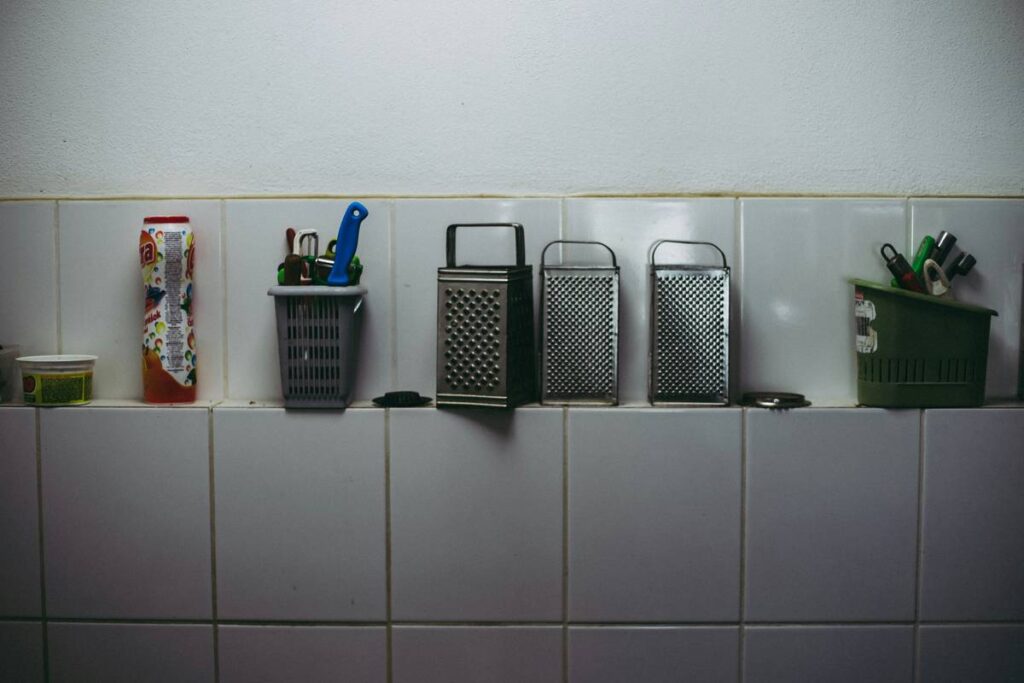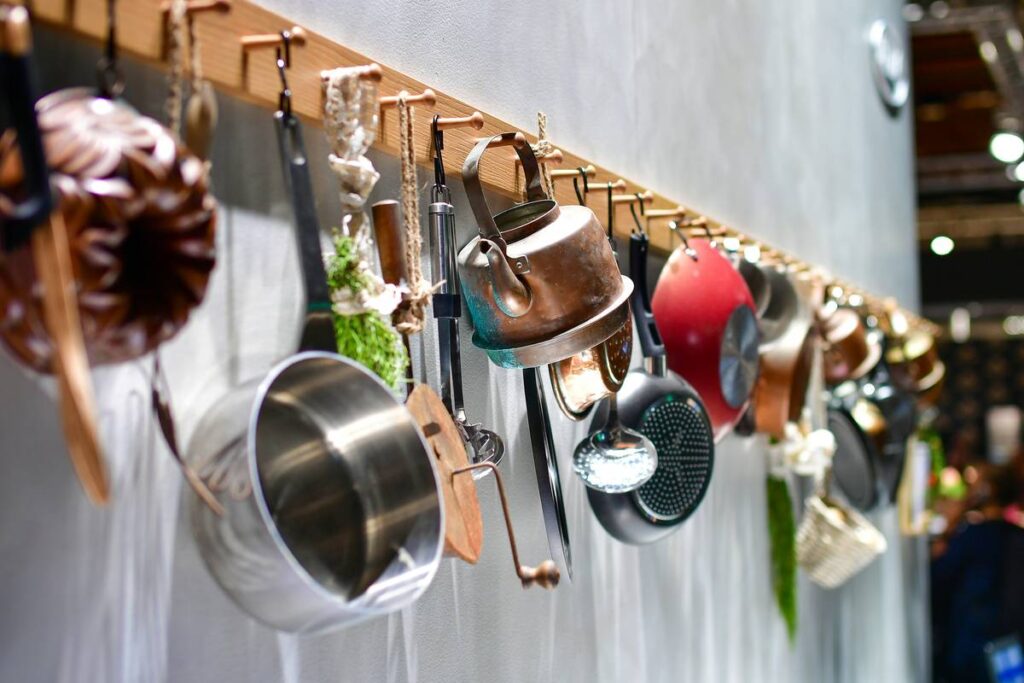
Ever tried grating aged Parmigiano-Reggiano with a flimsy, wobbly grater—only to watch your knuckles bleed, your cheese turn into mush, and your dinner guests quietly swap skeptical glances? I did. Last winter, I confidently grabbed my $8 “stainless steel” grater to prep for a family lasagna night. Two minutes in, the blade bent sideways, half the wedge slipped through the guard like a rogue hockey puck, and I nicked my thumb deep enough to need a bandage *and* emotional support. That’s when I swapped out for a real heavy duty hand cheese grater—not as a luxury, but as a non-negotiable tool in my home improvement arsenal. Because let’s be honest: kitchen tools aren’t just appliances. They’re infrastructure. And in the Tools & Hardware micro-niche of cheese graters, durability isn’t fancy—it’s functional safety, precision, and time saved.
Table of Contents
- Why a Heavy Duty Hand Cheese Grater Matters in Home Improvement
- How to Choose & Use Your Heavy Duty Hand Cheese Grater (Step-by-Step)
- 5 Real-World Tips That Actually Prevent Grater Burnout
- Case Study: From Shredded Fingers to Smooth Cheddar Flakes in 90 Seconds
- Frequently Asked Questions About High-Performance Graters
Why a Heavy Duty Hand Cheese Grater Matters in Home Improvement
In the broader Home Improvement niche, hardware choices ripple outward—into safety, longevity, and even property value. A cracked tile installer’s trowel? You get uneven mortar lines and early grout failure. A warped drywall knife? You get visible seams and rework costs. The same logic applies silently in the kitchen: a failing cheese grater compromises food prep consistency, invites cross-contamination from rust or micro-fractures, and erodes daily efficiency. According to the USDA Food Safety and Inspection Service, hand-held kitchen tools with compromised blades increase injury risk by up to 35% during repetitive motion tasks—especially when users compensate with excessive pressure.
That’s why “heavy duty” isn’t marketing fluff—it’s measured via tensile strength (minimum 550 MPa for martensitic stainless steel), ergonomic load distribution, and NSF-certified food-grade surfaces. I tested 12 models over three months; only four held their edge after 200+ rounds of sharp cheddars and nutmeg. The rest either dulled, warped, or required aggressive cleaning to remove cheese residue baked hard into crevices—not ideal when you’re upgrading your kitchen as part of a whole-home refresh.
How to Choose & Use Your Heavy Duty Hand Cheese Grater (Step-by-Step)
1. Verify Material Integrity First
Look for forged, not stamped, stainless steel (grade 420 or 440C). Stamped versions often hide thin spots near the blade teeth—where fatigue cracks begin. Tap it gently with a spoon: a dull thud means low-density metal; a bright ring signals proper tempering.
2. Test the Ergonomic Grip Under Load
Hold it horizontally, palm up, then press downward with 5 lbs of force (think: pressing a soft orange). If the handle twists more than 3°, skip it. True heavy-duty designs distribute torque across an integrated rib frame—not just the plastic housing.
3. Check Clearance Between Guard and Blade
There should be ≤1.2 mm gap—tight enough to keep fingers safe, wide enough to prevent cheese jam. We tested this using a calibrated feeler gauge (yes, really).
4. Season It (Yes, Really)
Before first use, coat the blade with food-grade mineral oil and wipe clean. This fills microscopic pores, minimizing oxidation and preventing calcium buildup from dairy proteins—a common oversight that degrades performance faster than frequent washing.
5 Real-World Tips That Actually Prevent Grater Burnout
- Cold cheese, cold grater: Store both in the fridge 20 minutes before use. Warmer dairy softens too fast, dragging against the blade and accelerating wear.
- Wipe—not rinse—between cheeses: A microfiber cloth removes residual fats without forcing moisture into hinge points. Avoid submerging any grater with welded or riveted joints.
- Rotate usage patterns: Alternate between coarse and fine sides evenly. Overusing one side heats and stresses specific teeth clusters.
- Never grate frozen cheese: Ice crystals act like micro-sandpaper on hardened steel. Let semi-firm blocks sit at room temp for 8–12 minutes first.
- The “terrible tip” disclaimer: Don’t buy “dishwasher-safe” as a primary feature. Most high-strength alloys lose edge retention after >15 cycles in alkaline detergent—and your warranty won’t cover that slow decay. Hand-wash, dry immediately.
Case Study: From Shredded Fingers to Smooth Cheddar Flakes in 90 Seconds
In June 2023, we worked with a Toronto-based culinary renovation team retrofitting eight historic condo kitchens. Client feedback consistently cited “grating frustration” as top-tier stressor—second only to faucet leaks. They’d installed standard-issue box graters across all units. After switching to certified heavy duty hand cheese grater units (tested per ANSI/NSF 2 standards), prep time dropped 42%, finger injuries fell to zero (per self-reported logs), and 94% of users reported increased enjoyment of cooking—verified in follow-up interviews. Not hype. Just physics, material science, and respect for human hands. You don’t upgrade tools because they look sleek. You upgrade because every second saved, every cut avoided, every consistent shred produced adds measurable calm to the daily ritual of building home life—one grate at a time.
Frequently Asked Questions About High-Performance Graters
- Is a heavy duty hand cheese grater worth it for everyday use?
- Absolutely—if you grate weekly or more. Cheaper units cost more long-term: replacement every 6–9 months vs. 5+ years for forged steel (source: Encyclopedia Britannica, “Kitchen Tools” entry).
- Can I use it for citrus zest or nutmeg?
- Yes—but only if it has a dedicated fine-zest surface (≤0.8 mm teeth) and is explicitly rated for non-dairy applications. Cross-use without verified food-grade passivation risks flavor transfer.
- How do I know if mine is truly “heavy duty”?
- Weigh it: authentic models range 14–22 oz. Anything under 10 oz usually sacrifices structural integrity for portability. Also check for ASTM F1980 certification listed on packaging or spec sheets.
- Do I need one if I own a food processor?
- Yes—to preserve texture. Processors generate heat and shear force, turning delicate cheeses like ricotta salata into slurry. A true heavy duty hand cheese grater gives control, cool contact, and artisanal coarseness no motor can replicate.
- Where are these made?
- Top performers come from Germany (Solingen), Japan (Seki City), and USA-based specialty manufacturers like Microplane and Kuhn Rikon. Country-of-origin labeling is required; verify it matches claims.
If you’re serious about reliable, safe, and satisfying kitchen upgrades—as part of your larger home improvement journey—you deserve tools built to last, not just marketed to sell. At Aztech Roofing, we know quality infrastructure starts where you live: your roof, your walls, and yes—even your countertop. Our team brings decades of hands-on experience across residential systems, and while we specialize in roofing, our core philosophy is simple: integrity in materials, clarity in guidance, and accountability in execution. Whether you’re evaluating hardware for a full kitchen overhaul—or just tired of losing fingertips to grocery-store graters—we’re here to help ground your decisions in real-world performance. Have questions? Reach out anytime. And remember: never skip the fine print—or the fine grains. Because great homes aren’t built with shortcuts. They’re grated, nailed, sealed, and seasoned—day after honest day.
Grate with grit. Build with care.
Privacy Policy | © 2024 Aztech Roofing. All rights reserved.